Floorball
What is Floorball?
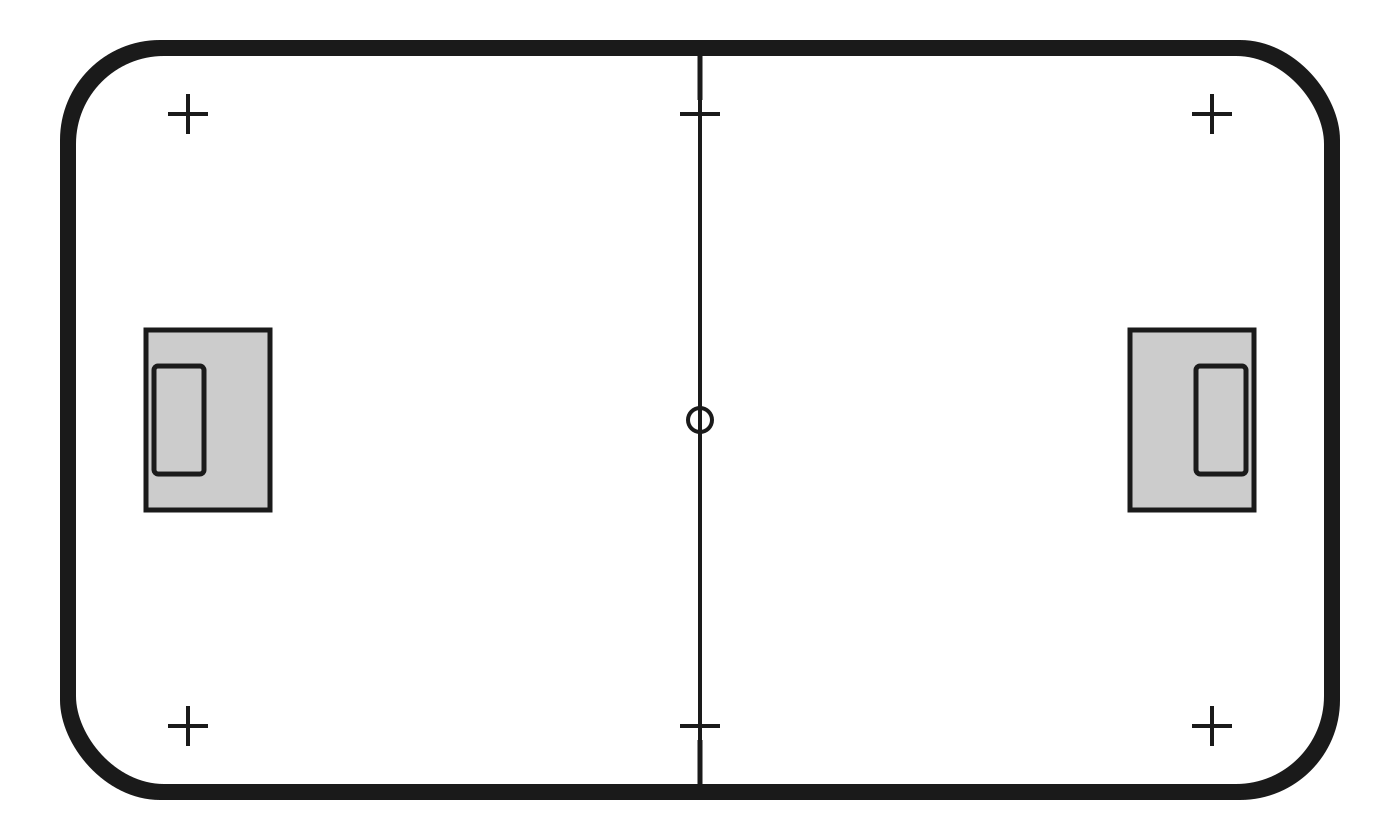
Floorball is an indoor sport played five-a-side on a 40×20 metre court enclosed by low boards. Players use lightweight composite sticks — weighing as little as 250 grams — to move a hollow plastic ball with 26 small holes. The goalkeeper plays without a stick, relying on a mandatory protective helmet and using their body, hands, and feet to block shots. While many keepers also wear padded clothing and specialized gloves for protection, outfield players wear no mandatory protective gear. Substitutions are unlimited and rolling, so the intensity stays high from the first minute to the last.
History
In the 1950s and 1960s, American gym teachers were already using lightweight plastic sticks and balls as a low-risk alternative to ice hockey equipment. These informal sessions — sometimes called floor hockey or cosom hockey — had no unified rules and no competitive structure. The goal was simply to keep students active indoors.
The concept crossed the Atlantic when Swedish physical education students encountered it during study trips to North America and brought it back home. What happened next reflects something specific about Swedish sports culture at the time: people took it seriously. Clubs started writing down rules. Gyms dedicated sessions to it. By the late 1970s, what had been a gym class warm-up was becoming a real sport.
- In 1981, the Swedish Floorball Association (SIBF) was founded in Gothenburg — the first national governing body for the sport anywhere in the world.
- Five years later, Sweden, Finland, Norway, and Switzerland came together to establish the International Floorball Federation (IFF), giving the sport an international home for the first time.
Finland's role in the story deserves its own paragraph. While Sweden wrote the rulebook, Finland took floorball and turned it into something close to a national obsession. The Finnish league, F-liiga, regularly draws crowds in the thousands and broadcasts nationally.
The Finnish men's national team has won more World Championship gold medals than any other country — a fact that tends to surprise anyone who hasn't been following the sport closely.
The first Men's World Floorball Championship was held in Stockholm in 1996, with Sweden winning on home floor. The Women's Championship followed a year later. Sweden has since gone on to win more World Championship titles than any other nation — a dominance that reflects both the depth of the sport's roots there and the quality of Svenska Superligan, widely regarded as the best floorball league in the world.
In 2003, the IFF received recognition from the International Olympic Committee — a milestone that opened the door to potential future inclusion in the Games.
Since then, the sport has spread steadily beyond Europe. Singapore, Japan, and South Korea all have functioning domestic leagues. Australia has an active community. The United States and Canada — where the plastic-stick concept first appeared decades ago — are working to close the competitive gap with European nations. The IFF now counts more than 80 member nations.
Olympic inclusion remains the sport's most discussed long-term goal. The IOC values both global reach and established broadcast audiences; floorball is increasingly strong on the first count and still building on the second. Most people close to the sport treat it as a matter of when, not if.